Robson & Robertson Awards - Alumni Spotlight
Nine years ago, the Jock Clough Marine Foundation began proudly supporting the UWA Oceans Institute's Robson & Robertson Awards, backing early-career marine researchers across Western Australia.
This series looks back at where that support has taken them.
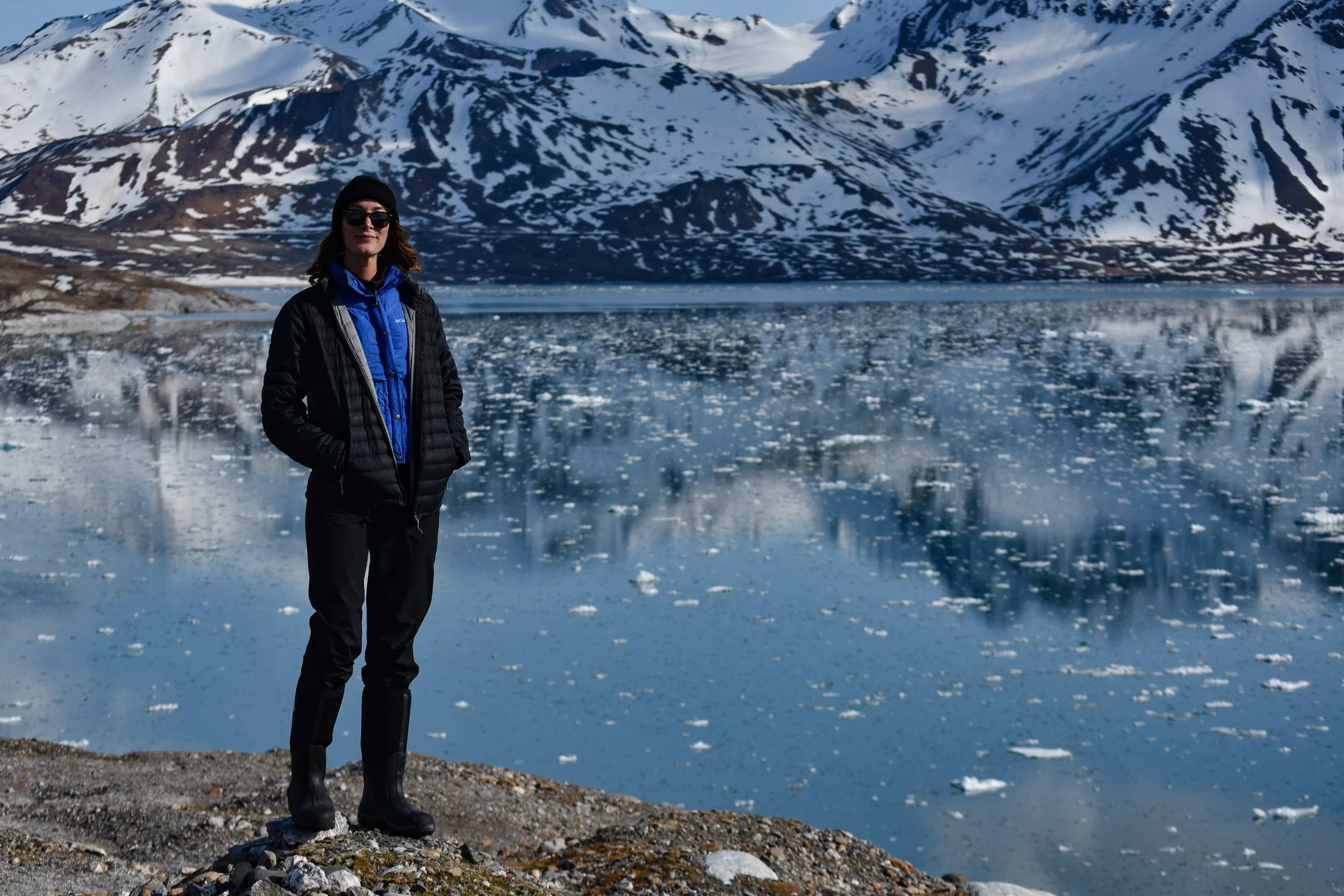
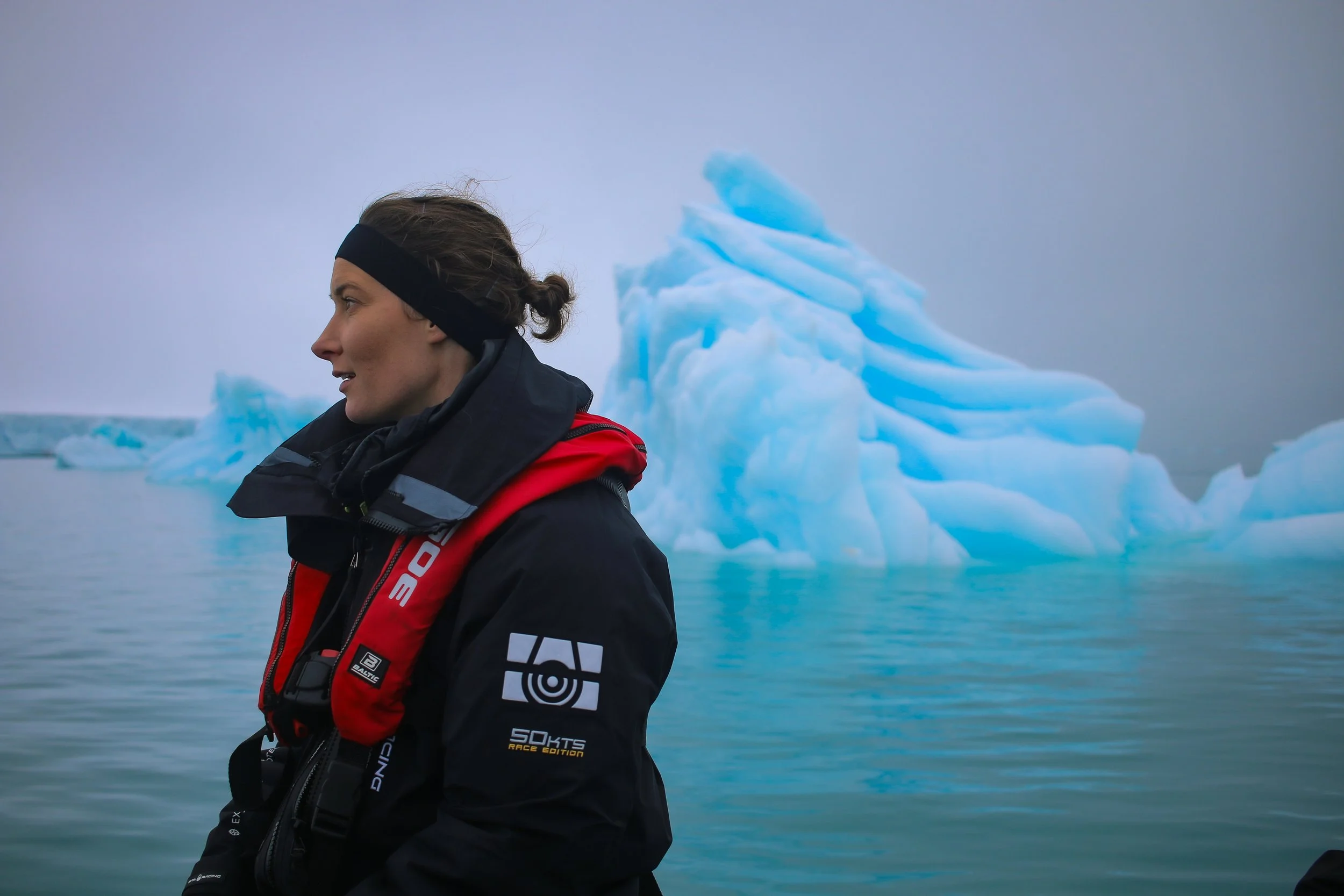
Dr Paige Moroni
Research Fellow, University of Western Australia (UWA) | Director & Co-Founder, Polar BLAST
August 2026
Tracing evolution at the bottom of the world
As a PhD candidate at UWA, Paige’s research focused on Antarctic invertebrate evolution and chemical ecology — work that laid the foundations for a career spent studying the life in some of the planet’s most remote waters.
A vote of confidence
The Robson & Robertson Award provided crucial early-career support at a formative stage of Paige’s research. It allowed her to strengthen the scientific foundation’s of her Antarctic work, expand the scope of her analyses, and pursue questions that would otherwise have been difficult to address within the constraints of a PhD project.
"The award gave me confidence that ambitious polar research led by an early-career scientist was worth backing."
That early support helped Paige build the expertise, independence and momentum that now underpin a much larger programme of Arctic and Antarctic exploration. Since receiving the award, her research has helped reveal the extraordinary and still poorly understood biodiversity of polar and deep-sea ecosystems — leading research programs across the Antarctic Peninsula, Ross Sea, Svalbard, Northeast Greenland, Iceland and the sub-Antarctic.
Diving deeper with Polar BLAST
Paige is now a Research Fellow at UWA and the Director and Co-Founder of Polar BLAST, a polar biodiversity research program using non-invasive technology; ROVs, autonomous landers, photogrammetry, eDNA and underwater imaging, to explore and document life beneath the Arctic and Antarctic oceans.
Through Polar BLAST, she has completed more than 200 ROV dives across the Arctic and Antarctic between 2024-2026, documenting vulnerable marine ecosystems, sponge fields, coral gardens, rare species, and habitats that had never previously been observed. Since 20219, she has taken part in 20 expeditions aboard 13 vessels, including 13 as Chief Scientist or subsea team leader.
“You do not need perfect conditions to begin. You need a clear purpose, the courage to ask, and the determination to keep going.”
Into the world’s least-known waters
Paige is now working to establish long-term biodiversity monitoring across some of the least explored marine environments on Earth, including the Southern Ocean and the isolated sub-Antarctic islands of Australia and New Zealand. As Paige says; You do not need perfect conditions to begin. You need a clear purpose, the courage to ask, and the determination to keep going. We couldn’t agree more.
Read more about Paige’s research here.
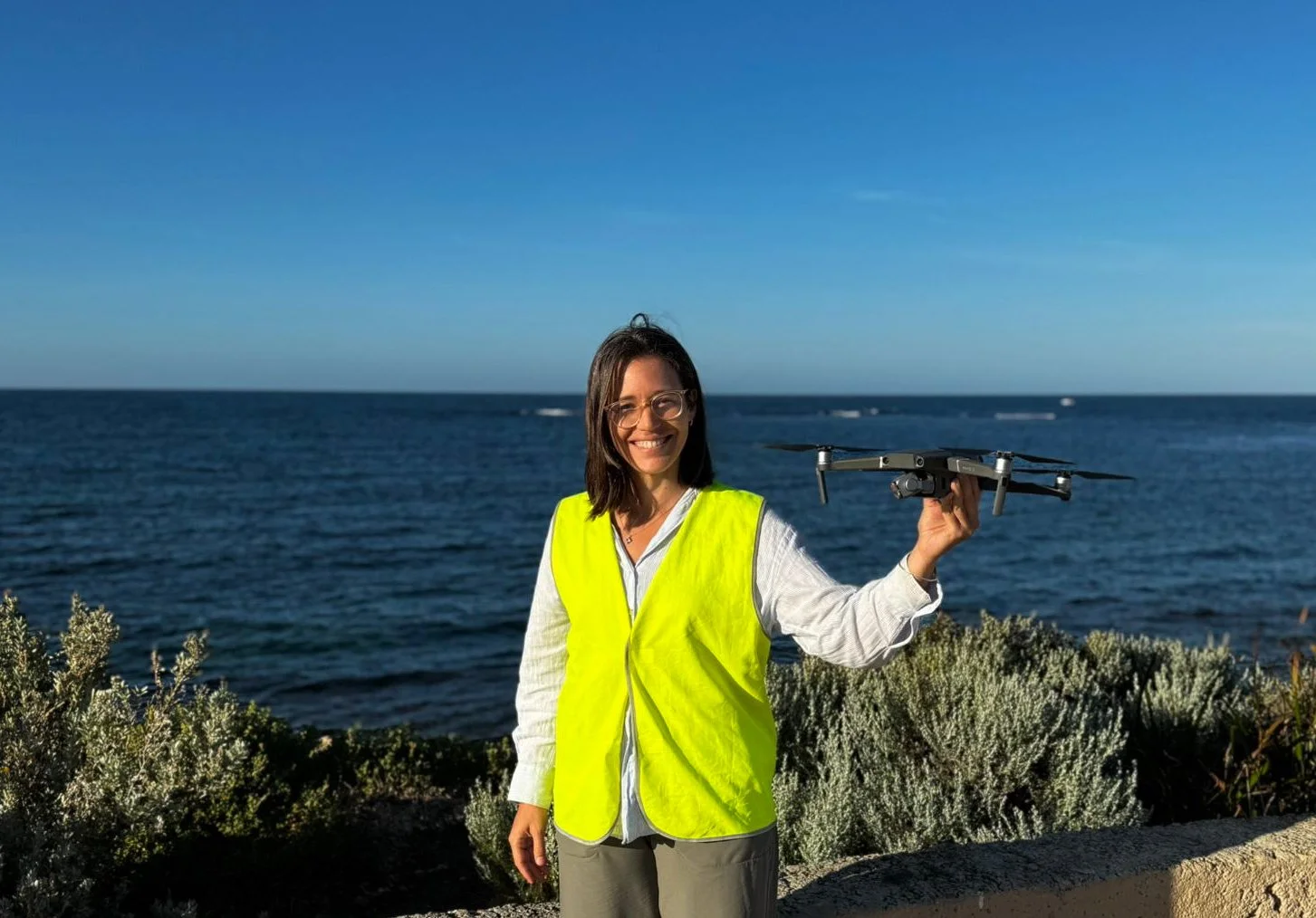
Dr Naima Andrea López
Research Fellow, Marine Futures Lab, University of Western Australia (UWA)
July 2026
Reading the reef's hidden gatherings
As a PhD candidate at UWA, Dr López focused on the ecology of hammerhead shark aggregations, gatherings critical to the survival of endangered species like the scalloped hammerhead, but at the time poorly understood. Her work established where and when these aggregations occur, giving managers the evidence base needed to protect them.
From fieldwork to policy
The Robson & Robertson Award funded drone-based fieldwork at Shoalwater Islands Marine Park, where Dr López collected the data underpinning her research. That fieldwork led to two peer-reviewed publications and contributed to the delineation of a new Important Shark and Ray Area (ISRA) at Point Peron, recognised by the IUCN.
"This early support was instrumental in translating research into both policy impact and ongoing community-driven conservation."
Building a citizen science movement
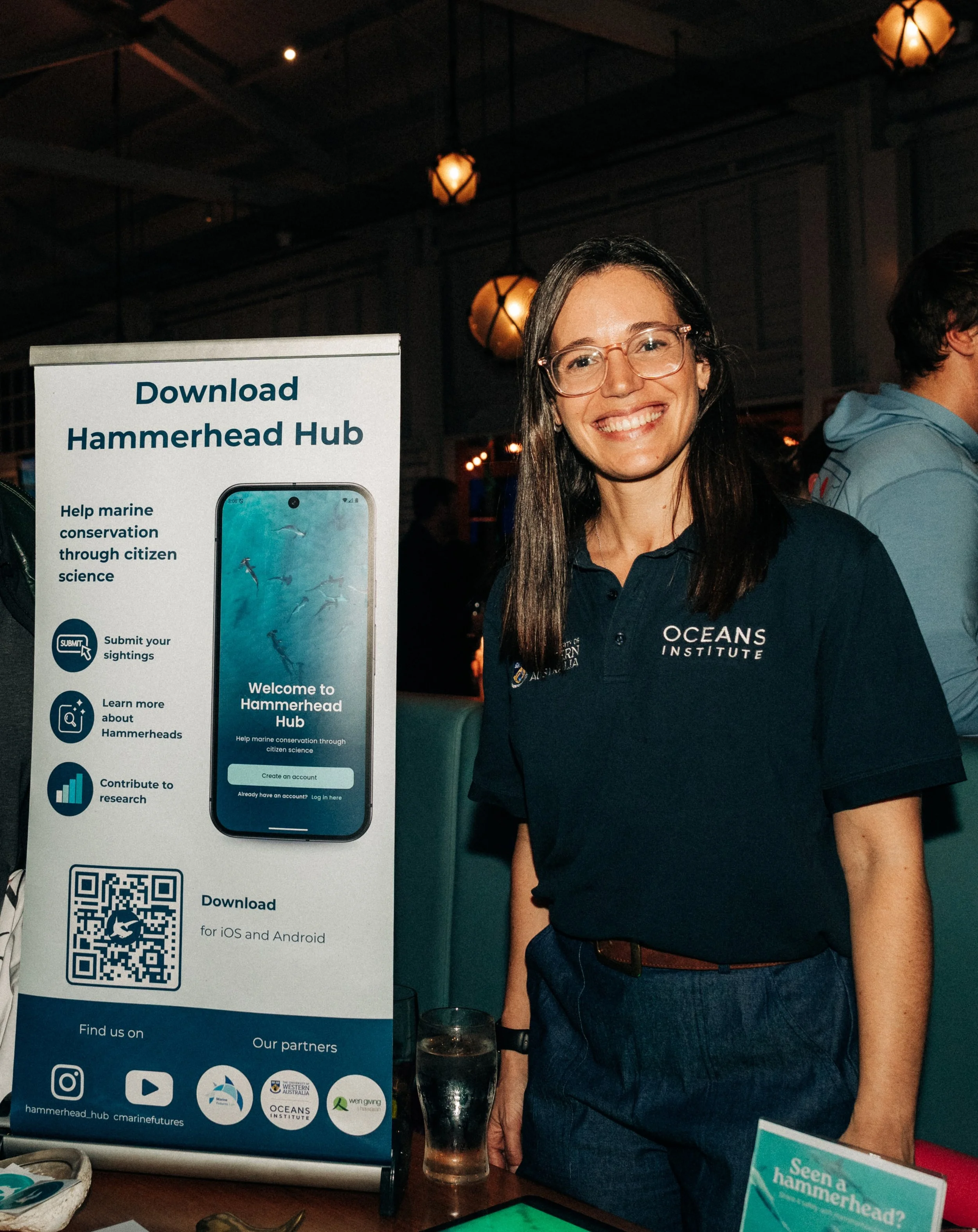
Dr López is now a Research Fellow at UWA's Marine Futures Lab, working across research, policy, and participatory science. She leads Hammerhead Hub, a citizen science program launched five months ago that has already generated more than 100 validated hammerhead shark observations from the WA community, feeding directly into local conservation policy.
Beyond the WA coastline
Dr López is expanding into Australia's Indian Ocean territories, coordinating community-based BRUVS monitoring in the Cocos (Keeling) Islands and Christmas Island — contributing to national conservation priorities and global efforts to protect pelagic wildlife.